MON – FRI 8:00 AM – 5:00 PM 3174 DRAPER DRIVE, FAIRFAX, VA 22031

Author: Zackary Michael

Supplements: When Hidden Damage Changes the Estimate

It is the phone call nobody enjoys getting: the shop has your car apart, and they found more damage than the estimate covered. For a lot of drivers that call smells like a bait and switch, the low quote that wins the job before the real number appears.

The truth is nearly the opposite. That call is the repair system working exactly as designed, and understanding it turns an anxious moment into a routine update. Here is how supplements work on Fairfax collision claims, and how to tell the normal version from the shady one.

What is a supplement in collision repair?

A supplement is a documented request for additional repair costs after hidden damage is discovered during teardown. The shop photographs the findings, writes up the added parts and labor, and submits everything to the insurance company for review and approval. Supplements appear on a large share of collision claims, and your deductible does not change because of one.

In other words, a supplement is not a new bill aimed at you. It is a correction to the insurer’s math, backed by photographic evidence, for damage nobody could see until the car came apart.
What is a supplement in collision repair?, Quality Auto Body & Repair

Why the first estimate is almost never the final number

An initial estimate is a visual inspection of an assembled car, and modern cars hide their injuries well. Behind a bumper cover sit absorbers, brackets, sensors, and structural metal, and a cover that pops back into shape can conceal all of it. Insurers increasingly write first estimates from customer photos, which makes the starting number even more of a rough sketch.

Teardown is the first honest look. Once the damaged area is disassembled, the shop can see what is bent, cracked, or shifted underneath, and on anything beyond light cosmetic damage there is usually something. Industry data has long shown supplements on a majority of moderate collision claims, so the estimate changing is the expected path, not the exception. The initial estimate starts the conversation, and teardown finishes it.

How the process works, step by step

After you authorize repairs, the shop tears down the damaged area and documents everything it finds: photos, part numbers, and the manufacturer procedures the additional work requires. That package goes to the insurer as a supplement request. The adjuster reviews it, sometimes remotely and sometimes with an in person inspection, and approval typically takes a few business days depending on the carrier’s backlog.

Once approved, the added parts get ordered and the repair continues. A well run shop batches its findings into as few supplements as possible, submits them with evidence the adjuster cannot argue with, and keeps you posted at each step. A disorganized shop submits piecemeal, waits passively, and lets your car sit. Same claim, very different month.
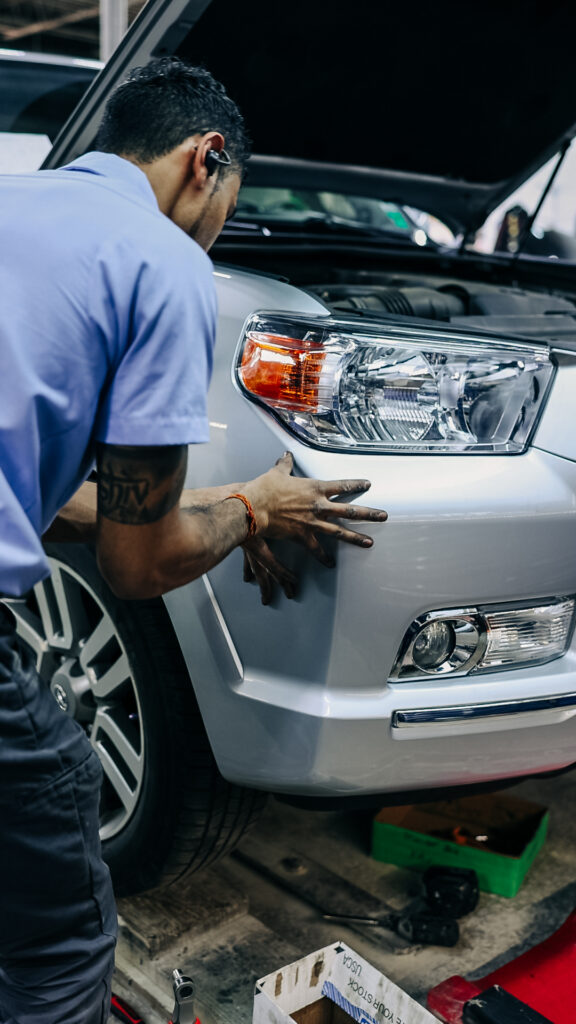
How the process works, step by step, Quality Auto Body & Repair

What it means for your money and your timeline

Money first: approved supplements are paid by the insurer on top of the original estimate, and your deductible is paid once per claim, not once per supplement. If you are paying cash with no insurer involved, ask for a teardown before you approve anything, because an estimate written after disassembly is the only number that deserves your trust.

Timeline is the real cost. Each supplement adds adjuster review time plus parts ordering, which is why a repair quoted at one week can honestly become two or three, and why your rental arrangements should anticipate it. If the insurer balks at a documented item, the shop negotiates with photos and manufacturer procedures in hand, and your policy’s appraisal clause exists as the formal tiebreaker for genuine standoffs. Good documentation wins nearly all of these arguments long before that point.

The red flags on both ends

Be suspicious of a shop that never writes supplements, because cars do not get simpler when you take them apart. That pattern usually means hidden damage is being covered up rather than repaired, with broken brackets and bent metal sealed behind a fresh bumper cover. Be equally wary of an unusually low first estimate used to win the job, followed by vague, undocumented increases nobody can explain.

The healthy version looks like this: a shop that warns you up front the number may move after teardown, photographs everything it finds, explains each supplement in plain language, and shows you the evidence if you ask. Your role is simple: authorize teardown promptly, stay reachable, and judge the changes by their documentation rather than their existence.

Bottom Line

A supplement is the system catching damage the first look could not see, and on modern cars it should be your expectation on anything beyond a scuff. What separates a trustworthy repair from a runaround is documentation and communication, not whether the number moved. Quality Auto Body tells Fairfax drivers before teardown what to expect, photographs every finding, and pushes supplements through insurers with the evidence attached. If your estimate just grew and you want a second opinion on why, bring us the paperwork and we will walk you through it honestly.

Related reading: our collision repair services, Frame Damage Explained: What Bent Structure Really Means, Deer Season Collision Prep for Northern Virginia Drivers

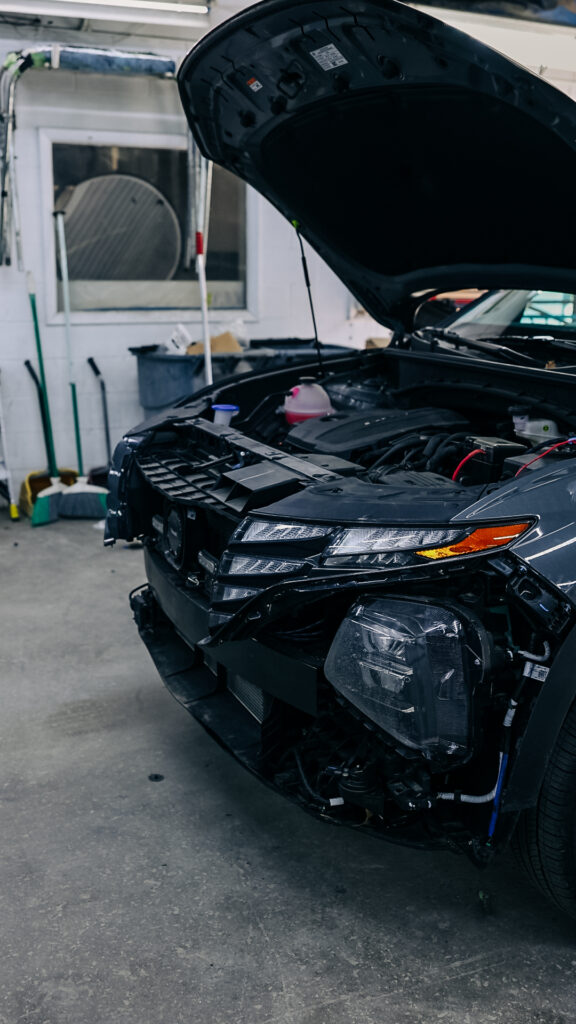
Deer Season Collision Prep for Northern Virginia Drivers

Every fall, body shops across Northern Virginia watch the same wave roll in. The phone starts ringing in October, the tow trucks arrive with crushed hoods and shattered headlamps, and the story is always the same: it came out of nowhere.

Fairfax County carries one of the densest suburban deer populations in the state, and its parkways thread directly through their habitat. Deer collisions here are not bad luck, they are a season, and you can prepare for a season. Here is how.

When are deer collisions most common in Virginia?

October through December, with the peak in November during the fall breeding season. Most strikes happen between dusk and midnight and again around dawn, exactly when autumn commutes run dark. Virginia consistently ranks among the higher risk states in the country for deer strikes, and insurers process tens of thousands of animal collision claims here every year.

The seasonal spike is dramatic, with fall claims running several times higher than summer. If you commute at dawn or dusk anywhere near wooded corridors, the next three months are when your odds change.

When are deer collisions most common in Virginia?, Quality Auto Body & Repair

Why fall flips the switch

Two forces collide in November. The first is biology: during the rut, bucks abandon all caution and chase does across roads at full speed, day or night. The second is the calendar: as daylight shrinks, ordinary commutes shift into the dusk and dawn windows when deer naturally move. The most dangerous hour of the year is a dark November evening commute, and Fairfax has a million of them.

Location matters just as much. Fairfax County Parkway, Braddock Road, Route 123 near the reservoirs, and the roads threading Burke Lake and the stream valley parks all run through prime habitat. Suburban deer face no hunting pressure and enjoy well fed landscaping, so populations thrive precisely where the traffic is. Anywhere trees meet pavement, assume company.

Driving habits that actually prevent strikes

Slow down at dusk and dawn near wooded stretches, and use high beams whenever there is no oncoming traffic, scanning the shoulders for the eye shine that shows up long before the deer does. When you see one deer, expect more, because they travel in groups and the second or third animal is the one that gets hit. Deer whistles on bumpers have never shown convincing evidence, so treat them as decoration, not protection.

If a strike becomes unavoidable, the rule that protects you is simple: brake hard, stay in your lane, and do not swerve. Swerving is how a survivable deer strike becomes a head on collision, a rollover, or a tree. Grip the wheel, brake firmly, and let off just before impact if you can, which drops the nose less and helps keep the animal from coming over the hood.

Driving habits that actually prevent strikes, Quality Auto Body & Repair

The insurance wrinkle every driver should know

Hitting a deer is a comprehensive claim, not a collision claim. Comprehensive covers animal strikes, usually carries a lower deductible, and is generally treated as a not at fault event on your record. But here is the asymmetry that matters: swerve to miss the deer and hit a tree, a guardrail, or another car, and you have a collision claim instead, with your collision deductible and fault in the mix. The insurance system quietly agrees with the safety experts, and the deer is the cheapest thing you can hit.

After a strike, pull over safely, use your hazards, and never approach the animal, since an injured deer is dangerous. Call police if the deer blocks traffic or the damage is significant, photograph everything, and report the claim promptly. A police report strengthens larger claims.

What deer strikes do to modern cars

A deer strike concentrates damage exactly where modern cars keep their most expensive equipment: hoods, grilles, bumpers, headlamps, and the radiator and condenser stack behind them. LED headlamp assemblies alone frequently run $800 to $2,000 each, and the radar and camera sensors living in the grille and windshield mean many deer strikes require ADAS calibration on top of the visible repair.

Hidden damage is the pattern to respect. A car that looks lightly scuffed can have a cracked condenser, a leaking radiator, or shifted supports, and cooling system leaks in particular can total an engine if you keep driving. If you see fluid under the car, steam, or a temperature warning, stop and call for a tow. Either way, get a professional inspection while the claim is open rather than after something fails in January.

Bottom Line

You cannot control the deer, but you can control your speed at dusk, your refusal to swerve, and how quickly the damage gets inspected afterward. Respect the season from October through December and your odds improve dramatically. If a deer finds your car anyway, Quality Auto Body handles the comprehensive claim, the hidden damage hunt, and the ADAS calibration for Fairfax drivers every fall. Get the car looked at within a day or two of the strike, and we will have you back on the road before the rut is over.

Related reading: our collision repair services, How Body Shops Match Paint on Modern Factory Finishes, Frame Damage Explained: What Bent Structure Really Means

Frame Damage Explained: What Bent Structure Really Means

Few phrases land harder in a body shop office than frame damage. Most drivers hear it as a death sentence for the car, or at least for its value, and the folklore around it is thick: never buy one, never fix one, never trust one.

The reality is more precise and less scary. Modern structural repair is measured in millimeters, guided by manufacturer procedures, and done correctly every day. Here is what frame damage actually means on today’s cars, and how to think clearly if it happens to yours.

Can a car with frame damage be repaired?

Usually, yes. Most modern vehicles use a unibody structure that can be anchored to a computerized measuring bench, pulled back to factory specifications, or have damaged sections replaced entirely following manufacturer procedures. A proper structural repair restores the vehicle’s geometry and crash performance. Totaling the car makes more sense when damage is severe or repair costs approach the vehicle’s value.

The key word is proper. Structural work is where shop equipment and training matter most, and where the gap between a correct repair and a cosmetic one is widest.

Can a car with frame damage be repaired?, Quality Auto Body & Repair

Unibody, frame rails, and why crumpling is the design

Most trucks and some large SUVs still ride on a separate frame, but nearly every car and crossover on Fairfax roads is a unibody, meaning the body shell itself is the structure. That structure is deliberately uneven in strength: soft crush zones at the front and rear are engineered to fold and absorb energy in a crash, while ultra strong steel around the cabin refuses to deform and protects the people inside.

So a crumpled front structure is not a defect, it is the design doing its job, sacrificing metal to protect passengers. What matters afterward is whether the deformation stayed in the zones meant to crush, and that question cannot be answered by eye from the parking lot. It takes measurement.

How shops find and measure damage you cannot see

Clues show up first in the details: panel gaps that run uneven, doors that need a push to latch, a hood that sits slightly proud on one corner, a car that pulls or wears tires oddly after a crash. Any of those after a collision says the structure deserves a real look, even if the paint looks fine.

The real answer comes from a three dimensional measuring system. The vehicle is fixtured, and sensors or targets read dozens of factory reference points against the manufacturer’s specifications, revealing exactly which points sit out of tolerance and by how many millimeters. Factory tolerances are tight, generally within a few millimeters, and the printout becomes the map for the repair and the documentation for the insurer. No guesswork survives contact with a measuring bench.

How shops find and measure damage you cannot see, Quality Auto Body & Repair

What structural repair actually involves

With the vehicle anchored, technicians use calibrated hydraulic equipment to pull the structure back toward specification, in a series of controlled, measured pulls rather than one dramatic yank, verifying against the data as they go. Where metal is kinked or beyond safe straightening, the damaged section is cut out at manufacturer specified locations and a new section is welded in following the exact factory procedure for that model.

Materials dictate methods. Many modern structures use high strength steels that must be replaced rather than straightened, because heating and pulling them compromises the engineered strength. Corrosion protection gets restored inside every repaired cavity, and the job finishes with a wheel alignment and ADAS calibration, since structural geometry is exactly what those sensor systems are aimed from. Done to this standard, the repair returns the car to its intended crash behavior.

Totals, titles, and what it means down the road

When structural repair costs climb toward the vehicle’s market value, the insurer totals it instead. Virginia’s threshold sits at roughly three quarters of the car’s value, so a major hit on an older vehicle often ends there, and honestly, that math protects you from pouring repair money into a car worth less than the bill.

If your car is repaired, keep every document: the measuring printouts, the parts list, the calibration reports. That file proves the quality of the work at resale, supports a diminished value claim, and answers any future buyer’s questions before they are asked. A structurally repaired car with documentation is a normal used car. One without documentation is a question mark, which is exactly the fate a good shop saves you from.

Bottom Line

Frame damage is a measurement problem, not a mystery, and modern shops solve it with benches, data, and factory procedures rather than folklore. The car is either restored to specification with proof, or the numbers say to walk away, and both outcomes protect you. Quality Auto Body performs measured structural repairs for Fairfax drivers, documents every step, and will tell you plainly when a car is not worth fixing. If someone has said the words frame damage to you this week, bring us the car and we will replace the fear with numbers.

Related reading: our frame structural repair services, Diminished Value Claims in Virginia: Money Most Drivers Miss, How Body Shops Match Paint on Modern Factory Finishes

How Body Shops Match Paint on Modern Factory Finishes

Of all the questions asked across our counter, one comes up more than any other: will the paint match? It is the right question. A structurally perfect repair with paint that reads slightly off in sunlight is a repair everyone notices forever.

Modern factory finishes are layered, metallic, and unforgiving, and matching them is equal parts chemistry, equipment, and craft. Here is what actually happens between the estimate and the moment your car rolls out looking like nothing ever happened.

How do body shops match car paint exactly?

Shops start with the factory paint code, then measure the actual color of your car’s panels with a spectrophotometer, an instrument that reads how the finish reflects light after years of sun and weather. A custom mix is tinted to that reading, sprayed on test cards, checked under multiple light sources, and blended into neighboring panels for a seamless result.

The short version: the code identifies the color family, the instrument finds your car’s version of it, and the painter’s technique makes the repair invisible.

How do body shops match car paint exactly?, Quality Auto Body & Repair

Why the factory code is only a starting point

Every car leaves the factory with a paint code, and every painter will tell you the code is a suggestion. The same code sprayed at different plants, in different batches, by different robots produces measurably different results, which is why paint companies publish multiple alternate formulas for a single code. Age adds another layer, because years of UV exposure shift a finish, and a formula mixed to the original standard would stand out against six year old paint.

There is even variance built in at the factory: plastic bumper covers and steel fenders take paint differently on the assembly line, so many cars are born with a faint front corner difference nobody notices until they look. Matching means matching the car in front of you, not the car as it existed on a spec sheet years ago.

What is actually in a modern factory finish

A modern finish is a stack: corrosion coatings, primer, the color carrying basecoat, and a clear coat that provides the gloss and protection. The basecoat is where matching gets tricky. Metallic colors carry aluminum flakes whose size and orientation change how the color reads at every angle. Pearl colors add mica that shifts hue as you walk around the car, and premium whites are often three stage finishes, a ground coat plus a translucent pearl layer plus clear, where the number of pearl passes visibly changes the color.

Silver remains the hardest common color to match because it is nearly all flake, and any difference in application shows. Matte and satin finishes are their own discipline, since their look lives in the clear coat texture and they cannot be spot polished. This stack is also why touch up pens disappoint: color without the layered structure never reads right.

What is actually in a modern factory finish, Quality Auto Body & Repair

Blending: why the shop paints panels that were not hit

The human eye is remarkable at comparing colors across a hard edge and terrible at detecting a gradual transition. Painters exploit this by blending, fading the new basecoat into the adjacent panels a few inches or more, then clearing the full panels to a natural edge. The repair does not stop at the damaged fender because a panel to panel color break, even a very close one, is exactly what eyes catch in a parking lot.

So when your estimate lists blend time on a door that was never touched, that is not padding. It is the difference between a repair you can find and one you cannot. Clear coat has its own rule: it must run to a panel edge, because clear that stops mid panel leaves a visible line and fails early. Insurers know blending is standard procedure and pay for it on properly written estimates.

Booth, bake, and the checks before you see the car

Color work happens in a downdraft spray booth, where filtered airflow keeps dust out of the finish and controlled temperature lets each coat flash properly. After spraying, the finish is baked to cure, then inspected the way customers actually see cars: under corrected daylight lamps, then in real sunlight, at multiple angles to check how the metallic travels as the view shifts.

The painter is also matching texture, since factory paint carries a subtle orange peel, and a repair that is glassier than the rest of the car reads as wrong even when the color is perfect. Final polish, a last inspection, and a written warranty on the paint work close the job. Ask any shop how they verify color before delivery, and listen for specifics like test cards and sunlight checks.

Bottom Line

Paint matching on modern finishes is real science backed by real craft: measured color instead of assumed color, blended transitions instead of hard edges, and verification under the same light you will see in your driveway. Quality Auto Body matches metallics, pearls, and three stage finishes for Fairfax drivers every week, and we stand behind the result in writing. If you want to know exactly what your car’s finish needs, bring it by and we will show you rather than tell you.

Related reading: Who Pays for the Rental Car While Yours Is in the Shop, Diminished Value Claims in Virginia: Money Most Drivers Miss

Diminished Value Claims in Virginia: Money Most Drivers Miss

Here is an uncomfortable truth about even the best collision repair: when the paint is flawless, the panels line up, and every sensor is calibrated, your car is still worth less than it was the day before the crash. Not because of the repair, but because of the record.

Vehicle history reports never forget, and buyers pay less for a car with an accident on file. Virginia law lets you recover that lost value from the at fault driver’s insurer, yet most drivers have never heard of the claim. Here is how it works.

What is a diminished value claim?

A diminished value claim compensates you for the market value your car loses simply because it now carries an accident history. In Virginia, you can pursue diminished value against the at fault driver’s insurance company as part of your property damage claim, even when the repair itself was flawless.

Think of it as the second half of being made whole. The repair restores the car, and the diminished value payment covers the resale penalty the crash created. Skip the claim and you donate that money to the insurance company.

What is a diminished value claim?, Quality Auto Body & Repair

Why a repaired car sells for less anyway

The moment a claim is filed, the accident becomes part of your car’s permanent record on history reports that every dealer and most private buyers pull. Dealers cut trade in offers on accident history vehicles as a matter of policy, sometimes by thousands on a newer car, because they know the report will spook their own buyers later. Some certified pre owned programs exclude vehicles with structural repair history outright.

The effect scales with the car. A late model SUV with significant repair history takes a real hit, while a fifteen year old commuter with a fender scrape barely notices. Severity matters too, since structural damage on the record costs more value than a cosmetic bumper respray. That range is exactly why the claim gets calculated case by case instead of by a flat percentage.

The Virginia rules that shape your claim

Three things matter here. First, diminished value in Virginia is a third party claim, meaning you pursue it against the at fault driver’s liability insurer. Your own collision coverage almost never pays diminished value, so if you were at fault, there is generally no claim to make. Second, Virginia follows contributory negligence, one of the strictest fault rules in the country, so the claim works when the other driver was clearly responsible.

Third, you have time, since Virginia’s statute of limitations for property damage currently runs five years, though claims settle far easier while the file is fresh. The practical window is the weeks right after the repair is completed, when the final invoice, photos, and documentation are all sitting in one folder and the insurer still has the claim open on its desk.

The Virginia rules that shape your claim, Quality Auto Body & Repair

How diminished value gets calculated

Insurers like to start with an internal formula, often a version of the 17c method, which caps diminished value at a modest percentage of the car’s worth and discounts it for mileage and damage type. It produces conveniently small numbers, and you are not obligated to accept it. An independent appraisal, built from actual market comparisons of similar cars with and without accident history, routinely lands meaningfully higher.

The honest inputs are the car’s value before the crash, its age and mileage, the severity of the damage, and whether the repair involved structural work. On newer, nicer vehicles with significant repairs, appraised diminished value often reaches into the thousands. On older, high mileage cars, it may be a few hundred dollars or too small to pursue, and a straight answer about that up front saves everyone time.

Building a claim that actually gets paid

Documentation wins these. You want the final itemized repair invoice, before and after photos, proof of proper procedures like calibration reports, and ideally an independent diminished value appraisal. Send the insurer a written demand with the appraisal attached, expect a low first response, and negotiate from your evidence. If the carrier stonewalls a clearly documented claim, options include a complaint to the Virginia Bureau of Insurance or pursuing the amount in general district court, and sometimes simply mentioning those steps moves the number.

Notice what the entire claim rests on: repair records. A shop that documents thoroughly, photographs everything, and repairs to manufacturer procedure hands you the evidence, while a shop that cuts corners hands the insurer its defense.

Bottom Line

If someone else wrecked your car in Virginia, the repair bill is only part of what they owe, because the accident history itself took money out of your pocket. Gather the documentation, get a real appraisal on a car worth the effort, and put the claim in writing. Quality Auto Body gives every Fairfax customer the complete, itemized repair file that diminished value claims are built on, and we are glad to point you in the right direction when the repair wraps up. Get the repair done right, then get made whole.

Related reading: our insurance claims services, Why Your Car Needs ADAS Calibration After a Collision, Who Pays for the Rental Car While Yours Is in the Shop

Who Pays for the Rental Car While Yours Is in the Shop

Life in Fairfax does not pause because your car is in the body shop. The commute, the school runs, and the grocery trips keep coming, and the question every customer asks within the first five minutes is the same: who pays for the rental?

The answer depends entirely on whose insurance is paying for the repair and what coverage you bought before any of this happened. Here is how it works in Virginia, plus the timing tricks that keep rental days, and rental bills, to a minimum.

Who pays for a rental car during collision repair?

If the other driver caused the crash, their liability insurer owes you a reasonable rental or a loss of use payment for the time your car is being repaired. If you are claiming through your own policy, a rental is covered only if you carry rental reimbursement, an optional coverage with daily and total dollar caps.

That second sentence surprises people constantly. Standard collision coverage fixes your car and does nothing about how you get to work while it happens. The few dollars a month that rental reimbursement costs is the cheapest insurance decision most drivers never make.

Who pays for a rental car during collision repair?, Quality Auto Body & Repair

When the other driver pays: loss of use in Virginia

When the crash was the other driver’s fault, Virginia law entitles you to loss of use of your vehicle, which in practice means their insurer funds a rental for the reasonable length of the repair. Reasonable includes comparable transportation: a family running on a minivan does not have to squeeze into a subcompact because it was cheaper for the adjuster.

Most carriers set up direct billing with a rental company so nothing touches your wallet, and that arrangement should run until the repair is complete, including any supplement delays. The friction case is a liability dispute, where the other insurer will not authorize a rental until fault is accepted. If you carry rental coverage of your own, use it to bridge the gap and let the insurers sort out reimbursement afterward, which is routine.

Rental reimbursement on your own policy, explained

Rental reimbursement is sold in tiers, commonly around $30, $40, or $50 per day with a total cap per claim, and it typically adds only a few dollars a month to a policy. Two details deserve attention before you need them. First, check whether your daily cap matches what rentals actually cost in Northern Virginia once taxes and fees stack on, because those count against your limit. Second, know your total cap, since a long repair can outlast a small one.

Pull out your declarations page this week and look for the line, because plenty of drivers discover at the worst moment that they declined it years ago to save a few dollars. If it is missing, adding it takes one phone call, and it applies to any future claim regardless of fault.

Rental reimbursement on your own policy, explained, Quality Auto Body & Repair

The timeline problem: parts, supplements, and rental days

Rental costs are really a repair timeline question. A straightforward repair might run one to two weeks, but hidden damage found during teardown triggers a supplement, and supplement approval plus reordered parts can stretch the schedule. Every one of those days is a rental day, which is why the shop’s process matters to your wallet.

The single best trick: if your car is safe to drive, ask the shop to inspect it, order parts first, and schedule the repair for when everything is on the shelf. Dropping off a drivable car to sit and wait for parts burns rental days for nothing. A shop that plans this way, communicates weekly, and pushes supplements through promptly can cut the rental window nearly in half compared to a drop it off and see approach.

When there is no coverage and the crash was your fault

If you caused the crash and skipped rental coverage, the options are honest but unglamorous: pay out of pocket at whatever rate you can find, ask about insurance partner rates that are often cheaper than walk in pricing, borrow from family, or run the rideshare math for a short repair, which sometimes beats a week of rental fees for a car you barely drive.

This is also the moment to make the repair itself efficient. Parts ordered before drop off, a realistic completion date in writing, and a shop that finishes when promised all matter twice as much when every extra day is your money.

Bottom Line

Rental coverage follows fault: the at fault driver’s insurer owes you transportation, your own policy only helps if you bought rental reimbursement, and the length of the repair decides what the whole episode costs. Check your declarations page now, and pick a repair shop that respects your rental clock. Quality Auto Body schedules repairs around parts availability, keeps Fairfax drivers updated weekly, and works with every major insurer’s rental arrangements. Ask us for a realistic timeline before you book a single rental day.

Related reading: our collision repair services, OEM vs Aftermarket Parts: What Goes on Your Car After a Crash, Why Your Car Needs ADAS Calibration After a Collision

Why Your Car Needs ADAS Calibration After a Collision

Your car has been watching the road for you longer than you think. Automatic emergency braking, lane keeping assist, adaptive cruise, blind spot monitoring: on most vehicles built in the last decade, a network of cameras and radar units works every mile, and nowhere harder than in stop and go traffic on Interstate 66 or Route 50.

After a collision, those electronic eyes cannot be trusted until they are aimed correctly again. That process is ADAS calibration, it is not optional, and it is quietly becoming the most important step in modern collision repair. Here is what every Fairfax driver should understand about it.

What is ADAS calibration?

ADAS calibration is the precise realignment of the cameras, radar, and sensors that power advanced driver assistance systems like automatic emergency braking and lane keeping assist. After a collision, a windshield replacement, or suspension work, those sensors must be reset to exact factory aim using targets, scan tools, and manufacturer procedures.

The tolerances are unforgiving. A camera or radar unit that ends up a single degree off aim is pointing roughly five feet away from its intended target at the length of a football field, which is the difference between a system that brakes for a stopped car and one that never sees it.

What is ADAS calibration?, Quality Auto Body & Repair

Where these sensors actually live on your car

The sensors sit exactly where cars get hit. A forward camera watches the road from behind the windshield glass. Radar units hide behind the front emblem, in the grille, and in the corners of both bumpers. Ultrasonic parking sensors ring the bumper covers, blind spot radar sits behind the rear quarter panels, and surround view cameras live in the mirrors and door handles.

That geography changes what a minor repair means. Replacing a bumper cover used to be cosmetic work, and now it disturbs the mounting and surroundings of multiple sensors. Even refinishing matters, because too much paint over a radar cover can distort the signal passing through it. A shop that treats a bumper as just plastic is a shop working from a decade old playbook.

Static, dynamic, or both: how calibration works

Static calibration happens in the shop. The vehicle sits on a level floor at exact measured distances from manufacturer specified targets, and a scan tool walks each sensor through its alignment routine while the technician verifies the results. Lighting, floor slope, and even reflections in the workspace matter, which is why this is a controlled procedure rather than a parking lot task.

Dynamic calibration happens on the road. With the scan tool connected, a technician drives a prescribed route at set speeds while the system relearns lane lines and traffic ahead. Many vehicles require static and dynamic procedures together, in a specific order, and the manufacturer publishes exactly which repairs trigger which calibrations. The right answer is never a guess, it is a lookup.

Static, dynamic, or both: how calibration works, Quality Auto Body & Repair

When your car needs calibration

Calibration is required after more repairs than most drivers expect: windshield replacement, bumper removal or replacement, grille and emblem work, mirror replacement, tailgate and quarter panel repairs near rear radar, any suspension or alignment work, and any airbag deployment. If a repair touched the panel a sensor mounts to or sees through, calibration belongs on the estimate.

The trigger list keeps growing as the technology spreads downmarket, and it now includes plenty of cars whose owners do not think of them as tech heavy. A 2019 commuter sedan with basic emergency braking has the same calibration needs as a luxury SUV. The model year, not the badge, is what decides, and anything built in the last several years almost certainly qualifies.

What happens if you skip it

Skipping calibration is dangerous precisely because nothing feels wrong. A miscalibrated system usually throws no warning light and drives normally, right up until it misjudges the distance to a stopped car or reads the wrong lane line. The failure only shows up at the exact moment the system exists for, which is the worst possible time to discover it.

There is no cost argument for skipping it either. Calibration documented to manufacturer procedure is a normal, payable part of a proper insurance claim, typically adding a modest amount to the repair rather than transforming it. What should concern you is a repair estimate that includes sensor area work with no calibration line at all, because that estimate is telling you the step is being skipped.

Bottom Line

If your car took a hit, its sensors need to prove they still see straight, and the only proof is a documented calibration to factory specification. Ask any shop you consider how calibration will be handled, on which equipment, and whether you get the report. Quality Auto Body performs ADAS calibration as part of collision repair in Fairfax, verifies every system before the car leaves, and includes the documentation with your paperwork. Your safety systems earned a fighting chance to work, and we make sure they get it.

Related reading: OEM vs Aftermarket Parts: What Goes on Your Car After a Crash

OEM vs Aftermarket Parts: What Goes on Your Car After a Crash

Buried in every collision estimate is a column most drivers never read: the parts list. Those few letters next to each line, indicating factory, aftermarket, or recycled, quietly decide how well your car fits together, how its safety systems perform, and what it is worth when you sell it.

The parts conversation is where drivers have more power than they realize, especially in Northern Virginia where the vehicles are newer and the stakes are higher. Here is how to read that column and push back when it matters.

What is the difference between OEM and aftermarket parts?

OEM parts are made by or for your vehicle’s manufacturer and match what came off the factory line. Aftermarket parts are built by third party companies, usually cost less, and vary in fit and quality. Recycled OEM parts, pulled from donor vehicles, sit in between: genuine factory parts with some miles on them.

None of the three is automatically wrong. The right answer changes line by line on the same estimate, which is exactly why the conversation with your shop matters more than any blanket rule.

What is the difference between OEM and aftermarket parts?, Quality Auto Body & Repair

Where each part type earns its place

OEM is the clear call for anything structural, anything safety related, and anything a sensor mounts to or looks through. Bumper covers with radar behind them, headlamp assemblies, and structural components deserve factory parts, and on newer or leased vehicles OEM everywhere protects both the warranty conversation and the lease return. Most manufacturers publish position statements recommending OEM parts for exactly these situations.

Aftermarket parts have a legitimate lane too. On an older vehicle, a certified aftermarket fender or mirror can keep a repair affordable enough to make sense, and independent certification programs exist to test fit and materials. Recycled OEM is the quiet hero of the parts world: a factory hood or door from a donor vehicle delivers original fit at a used price, which is often the smartest option on discontinued colors and trims.

How insurers write parts, and what Virginia requires

Insurance estimates default to the cheapest acceptable part because policy language typically promises repair with parts of like kind and quality, not new factory parts. That is a cost control decision, not an engineering one. Virginia consumer protection rules require that aftermarket crash parts be identified on your estimate, so the information is there once you know to look for it.

You have options beyond accepting the default. Some carriers sell an OEM endorsement for a few dollars a month that guarantees factory parts on future claims, which is worth asking about before you ever need it. On a current claim, you can often pay the difference between the aftermarket price and the OEM price on specific parts you care about. And when you are paying cash with no insurer involved, every parts decision is entirely yours.

How insurers write parts, and what Virginia requires, Quality Auto Body & Repair

Fit, finish, and the costs that show up later

The gap between a good part and a cheap one rarely shows in the box. It shows in panel gaps that never quite line up, in corrosion protection that fails a few winters early, in headlamps whose beam pattern scatters, and in flimsy mounting tabs that crack during installation. A bargain fender that needs an hour of massaging to fit has already spent its savings in labor.

The modern problem is electronics. Camera brackets, radar mounts, and sensor housings are built to tolerances measured in millimeters, and a part that positions a sensor slightly wrong can undermine the driver assistance systems that depend on it. This is why a careful shop insists on the right part in those locations and documents any part that arrives unfit to install, then writes a supplement to correct it.

How to control what goes on your car

Ask for the estimate and read the parts column before authorizing work. Ask the estimator why each non OEM part was chosen and whether it matters on that specific line, because an honest answer sounds different for a splash shield than for a radar bracket. Request OEM for structural and sensor related parts, ask about recycled OEM where budget matters, and get the final parts list in writing when the repair is done, since that documentation supports resale and any diminished value claim later.

Most of all, pick a shop that treats parts as a quality decision rather than a margin decision. The shop is who inspects each part on arrival, rejects the ones that do not measure up, and argues with the insurer so you do not have to.

Bottom Line

OEM, aftermarket, and recycled parts each have a place, but the placement is everything: factory parts where structure and sensors live, smart substitutions only where they cost you nothing in safety or fit. Read the parts column, ask why, and put your preferences on record early. Quality Auto Body walks Fairfax drivers through the parts list on every estimate, explains each choice in plain language, and fights for the right part when it matters. Bring us your estimate and we will translate it line by line.

Does Your Insurance Choose the Body Shop, or Do You

It is one of the most common moments in any claim call. The adjuster says, “We have an approved shop nearby that can see your car this week,” and it sounds less like a suggestion than an instruction. Most drivers assume they have to say yes. The assumption survives because most people have never read their policy and never needed to.

You do not. Virginia law is clear on this point, and knowing it changes the balance of the entire claim. Here is how shop choice really works for Fairfax drivers, and how to handle the pressure gracefully.

Can your insurance company make you use a specific body shop?

No. In Virginia, the choice of repair shop belongs to you, the vehicle owner. Insurance companies may recommend shops from their direct repair networks, but they cannot require you to use one, and your claim remains fully valid at the licensed shop you choose.

This applies whether you are claiming through your own policy or through the at fault driver’s insurer. The company owes payment for a proper repair. It does not get to dictate who performs it.

Can your insurance company make you use a specific body shop?, Quality Auto Body & Repair

What a preferred shop actually means

Direct repair programs are business arrangements. A shop agrees to the insurer’s pricing, parts preferences, and processes, and in exchange the insurer sends volume through its doors. That can genuinely be convenient: photos, estimates, and billing flow through established channels with less friction for everyone involved. There is nothing inherently shady about the arrangement, and many drivers use network shops happily every day.

But understand what the recommendation optimizes for. The network exists to control the insurer’s costs and cycle times. Plenty of network shops do fine work, yet the shop’s obligations in that arrangement run partly toward the insurer. When you choose your own shop, its only customer in the transaction is you. That difference in loyalty is invisible on the surface and decisive when a judgment call arises over a part, a procedure, or a shortcut.

What steering sounds like, and how to respond

Steering is the industry term for nudging you away from your chosen shop, and it follows familiar scripts: “We cannot guarantee their work.” “Repairs there may take longer.” “You might have to pay the difference.” These lines are designed to create doubt in about fifteen seconds. Adjusters handle hundreds of claims a month, and the script survives because it works on people who do not know their rights.

Here is the reality: workmanship warranties come from shops, not insurers, and reputable Fairfax shops guarantee their own repairs in writing. Timelines depend on parts and damage, not network status. A calm response works fine: “I have chosen my shop. Please send the assignment there.” Repeat it once if needed. You are exercising a right, not asking a favor. If pressure continues after you have stated your choice, note the representative’s name and ask for the objection in writing, which usually ends the conversation.

What steering sounds like, and how to respond, Quality Auto Body & Repair

How the claim works at the shop you choose

The process is nearly identical either way. You file the claim, your shop writes an estimate, and the insurer reviews it or sends an adjuster. When teardown reveals hidden damage, which is common, the shop documents it and negotiates a supplement directly with the insurer. Your deductible stays exactly the same no matter which shop does the work. Expect the same paperwork, the same rental coordination, and the same payment flow you would see anywhere else.

A good shop carries that weight for you: photographing everything, justifying procedures with manufacturer documentation, and pushing back when an adjuster wants shortcuts. That advocacy is precisely why choosing your own shop matters. You get a repair built to the car’s standard, not to a cost target.

Why this choice follows you long after the claim

The insurance file closes in weeks. The repair rides with the car for years. Paint match, panel alignment, structural integrity, and properly calibrated safety systems all trace back to who did the work and how carefully. Corners cut invisibly today become the rattle, the rust line, or the reduced trade in value later. A documented, quality repair also supports any diminished value conversation down the road, something Virginia drivers can pursue when someone else damages their car.

You will also sign the final repair authorization and drive the result every single day. Pick the shop whose work, warranty, and reputation you trust, and treat the insurer’s list as what it legally is: a suggestion you are free to decline.

Bottom Line

In Virginia, insurers recommend and drivers decide, and no adjuster can require you to use a network shop. Choose based on certifications, warranty, and reputation, then let your shop handle the estimates and supplements with the insurance company. Quality Auto Body works with every major insurer on behalf of Fairfax drivers and puts every repair in writing. If a claim is in your future, we would be glad to be the shop you name on that call.

Related reading: How Much Does Collision Repair Cost in Fairfax, VA, How to Choose an Auto Body Shop in Fairfax, VA

How to Choose an Auto Body Shop in Fairfax, VA

After a crash, most people pick a body shop in about ten minutes, usually from whatever list the insurance adjuster reads off. That quick decision determines how safe the repair is, how the car looks in three years, and how much of its value survives.

Fairfax has no shortage of shops, from national chains to longtime independents. Here is how to sort them with a clear head, even when all you want is your car back. The stakes run deeper than paint: structural work and sensor calibrations either meet the manufacturer’s standard or they quietly do not.

How do you choose a good auto body shop?

Look for certified, continually trained technicians, a written warranty on the workmanship, straight answers about parts, and detailed local reviews that mention paint match and communication. Then confirm the shop works for you, not for the insurance company. A short conversation and a written estimate will reveal most of what you need to know.

You are hiring a shop for judgment as much as labor. The right one documents everything, explains tradeoffs in plain language, and never makes you feel rushed into a signature.

How do you choose a good auto body shop?, Quality Auto Body & Repair

Certifications and training that actually matter

Ask whether technicians hold ASE credentials or manufacturer certifications, and how the shop stays trained on newer vehicles. Cars change fast: aluminum panels, high strength steel, and sensor systems all demand current knowledge, and a shop that invests in ongoing education treats collision repair as engineering rather than guesswork. Certification alone does not guarantee a flawless repair, but its absence tells you how a shop invests, and investment habits show up in the work.

Equipment tells the same story. Frame measuring systems, proper welders, dedicated paint booths, and calibration tools separate shops that restore a vehicle to specification from shops that make it look fine from ten feet away. You do not need to know the machines by name. Just ask how the shop verifies that a repair meets manufacturer procedures. A shop that welcomes the question usually has nothing to hide, and the walkthrough it offers often answers more than the conversation does.

Warranties and parts, in writing

A confident shop backs its work with a written warranty, and many reputable Fairfax shops guarantee their workmanship and paint for as long as you own the vehicle. Get the terms on paper, and understand that this warranty comes from the shop itself, not from your insurance company, no matter what an adjuster implies on the phone. Keep the document with your service records, because it also strengthens the car’s story when you eventually sell or trade it.

Parts deserve equal daylight. Ask whether the estimate uses new manufacturer parts, aftermarket parts, or recycled parts, and why. There are legitimate uses for each, but you are entitled to know exactly what goes on your car and to discuss the options before work begins, not after. Insurers sometimes write estimates around cheaper parts by default, and a shop willing to advocate for the right part in the right place is a shop working for you.

Warranties and parts, in writing, Quality Auto Body & Repair

Read reviews like an investigator

Volume and recency matter more than a perfect score. Scan for patterns across dozens of reviews: paint match praised repeatedly, timelines kept, phone calls returned, insurance handled smoothly. Those specifics are hard to fake, and they are exactly what you will experience as a customer. Search the shop’s name alongside your vehicle brand as well, since hands on experience with your specific make matters more on newer models.

Give real weight to how a shop answers criticism. Every busy shop eventually collects a rough review, and a measured, factual response says more about character than ten glowing ratings in a row. Before and after photos on the shop’s website or profile round out the picture nicely.

Remember whose choice this is

In Virginia, you choose the repair shop. Insurers may steer you toward their network with lines about guarantees or speed, and network shops are not automatically bad, but the recommendation is built around the insurer’s costs and convenience, not your car’s best possible repair.

A quality independent shop coordinates with every major insurer daily, documents hidden damage for supplements, and advocates for correct repair procedures when an adjuster pushes back. Choose on merit, then let the shop manage the process. That is exactly what a good one is there to do. The best time to pick your shop is before you need one, so a fender bender never turns into a rushed decision made in a tow lot.

Bottom Line

The right body shop shows you certifications, warranties, parts choices, and reviews without flinching, and it answers to you rather than to an insurance network. Ten extra minutes of questions buys years of confidence in the repair. Quality Auto Body serves Fairfax drivers with certified technicians, honest estimates, and work we stand behind in writing. Come ask us every question on this list. We welcome all of them.

Related reading: Paintless Dent Repair vs Traditional Dent Removal, How Much Does Collision Repair Cost in Fairfax, VA

How Much Does Collision Repair Cost in Fairfax, VA

After the shock of a crash wears off, the next jolt is usually the estimate. Collision repair pricing feels opaque from the outside, and quotes for what looks like similar damage can land thousands of dollars apart.

The truth is that estimates follow a logic, and once you understand the moving parts you can read one like a pro. Here is what collision repair really costs in Fairfax and Northern Virginia in 2026, and why.

How much does collision repair cost in Fairfax?

Light cosmetic repairs like scuffs, small dents, and shallow scratches commonly run $150 to $1,000. Moderate collision damage involving bumpers, panels, paint work, and parts usually lands between $1,500 and $4,500. Major repairs with structural or suspension damage can reach $6,000 to $15,000 or beyond. Every vehicle and impact is different, so treat these as planning ranges and get a written estimate before making decisions.

Northern Virginia sits above national averages on labor, and the region’s newer, technology heavy vehicle mix pushes repair bills higher than the same crash would cost elsewhere. Neither of those things means a shop is padding the bill. The ranges here assume a professional shop doing complete repairs, not a quick masking job that hides problems until after the check clears.

How much does collision repair cost in Fairfax?, Quality Auto Body & Repair

What actually builds a repair estimate

Every estimate stacks four ingredients: labor hours at the shop’s posted rate, parts, paint and materials, and increasingly, calibration of the vehicle’s electronics. Labor is measured against industry standard times for each operation, and parts pricing depends on whether the repair calls for new manufacturer parts, aftermarket equivalents, or quality used parts. Posted labor rates in Fairfax reflect Northern Virginia wages and rents, which is part of why identical damage prices differently here than in a small town.

The number can also move after teardown. Bumper covers and panels hide brackets, absorbers, sensors, and structural pieces, and damage there only becomes visible once parts come off. Shops document these findings and submit supplements to the insurer, which is a normal part of the process rather than a bait and switch. If a supplement appears on your claim, that is the system working as designed, not a sign the first estimate was wrong.

Typical Fairfax repairs and what they run

A bumper scuff repair and respray often lands between $350 and $900, while replacing a bumper cover on a sensor equipped vehicle can run $800 to $2,000 or more once parts and calibration are included. Door dings handled with paintless dent repair run roughly $75 to $400, a door repair and repaint often costs $600 to $1,500, and replacing a door can climb past $3,000 once electronics are involved.

Glass tells the same story. A basic windshield might cost a few hundred dollars, but windshields with cameras behind them typically add $150 to $500 in required recalibration. Prices vary by vehicle, trim, and parts availability, which is why two neighbors with the same model can see very different bills. Luxury badges push each of these numbers higher, sometimes dramatically.

Typical Fairfax repairs and what they run, Quality Auto Body & Repair

When insurance pays, and when cash makes sense

If the other driver caused the crash, their liability coverage pays for your repair with no deductible on your end. Claims through your own collision coverage subtract your deductible first. Under Virginia law you choose the repair shop either way: insurers may suggest their network shops, but they cannot require you to use one.

The cash question comes down to margin. If your deductible is $1,000 and the estimate is $1,200, filing barely moves the needle and may not be worth it. For anything substantially above your deductible, the claim usually makes sense. A written estimate gives you the exact number you need to decide. An experienced shop will lay out both paths without pressure, since the right answer depends on your deductible, your record, and the final total.

Why newer cars cost more to fix

Driver assistance features moved sensors into exactly the places cars get hit: bumpers, grilles, mirrors, and windshields. A cosmetic bumper repair on a 2015 sedan becomes a bumper, radar bracket, and calibration event on its 2024 equivalent. LED headlamp assemblies alone frequently run $800 to $2,000 each.

Materials changed too. Aluminum hoods and high strength steel structures require specific equipment and training to repair correctly. This is why choosing a shop that invests in current training and calibration equipment matters more with every model year, and why the cheapest estimate is not automatically the best one. The upside is that a repair done to manufacturer procedure restores both the appearance and the safety systems, which is the entire point of paying once and paying right.

Bottom Line

Collision repair in Fairfax spans everything from a $200 scuff to five figure structural work, and the estimate depends on labor, parts, paint, and the electronics hiding behind the damage. Ranges help you budget, but only a written estimate tells your car’s actual story. Quality Auto Body provides honest, itemized estimates in Fairfax and will walk you through every line, including what insurance should cover. Bring your car by and get real numbers instead of guesses.

Related reading: What to Do After a Fender Bender in Fairfax, VA, Paintless Dent Repair vs Traditional Dent Removal

Paintless Dent Repair vs Traditional Dent Removal

Somebody’s car door, a runaway shopping cart, a summer hailstorm rolling across Northern Virginia: dents find your car no matter how carefully you park. The next question is how to fix it, and the answer is not one size fits all.

Body shops repair dents two very different ways, and choosing the right method affects the price, the timeline, and how factory original your car stays. Here is how Fairfax drivers can tell which repair a dent actually needs.

What is the difference between paintless dent repair and traditional dent removal?

Paintless dent repair, or PDR, massages the metal back into shape from behind the panel using specialized tools, leaving your factory paint untouched. Traditional dent removal reshapes the damaged area with body filler, then sands, primes, and repaints it. PDR is faster and cheaper when the paint is intact and the dent is shallow, while traditional body work handles creases, chipped paint, and larger damage.

The dividing line is almost always the paint. If the finish is unbroken and the metal is not sharply creased, PDR is usually on the table. Once paint cracks or scrapes, refinishing becomes unavoidable.

What is the difference between paintless dent repair and traditional dent removal?, Quality Auto Body & Repair

When paintless dent repair is the right call

PDR shines on door dings, hail dents, and soft rounded dents on metal panels where the paint survived. Because the factory finish stays untouched, a well executed repair is essentially undetectable, which matters for resale value and for leased vehicles headed back to inspection. Fairfax parking garages and shopping center lots produce a steady supply of exactly this kind of damage, which keeps PDR technicians busy year round.

It is also the budget and schedule winner. A single small dent typically runs $75 to $400 depending on size and access, and many repairs finish the same day. Prices vary with the dent’s location and depth, since a dent sitting on a body line or near a panel edge takes far more skill to work out cleanly. Aluminum panels, common on newer trucks and premium models, can also be worked with PDR, though they demand more expertise than steel.

When traditional body work is necessary

Once paint is cracked, scraped, or flaking, PDR alone cannot help, because the finish itself needs repair. Sharp creases, stretched metal, large dents, damage along panel edges, and areas with previous body work or old filler all point toward traditional repair as well.

The process is more involved: the technician reshapes the metal, applies filler where needed, sands everything smooth, then primes, paints, and clear coats the panel, often blending color into neighboring panels so the repair disappears. Plastic bumper covers follow their own version of this process. Expect a panel level repair to take two to four days once parts and paint are in motion. Good shops photograph each stage of the work, so ask to see the process if you are curious what your panel went through.

When traditional body work is necessary, Quality Auto Body & Repair

Cost and time, compared honestly

For a comparable small dent, PDR might cost $150 while a conventional repair and respray of the same panel runs $400 to $1,000, mostly because of paint materials and added labor hours. Traditional repairs also mean days in the shop rather than hours, and a repainted panel, even a beautifully matched one, is no longer factory finish. When a dent sits near the line between methods, ask the estimator to price both routes, because seeing the numbers side by side usually settles it.

Hail is where the difference compounds. A roof and hood peppered with twenty small dents can often be fully restored with PDR for far less than repainting multiple panels, which is why insurers frequently prefer PDR on hail claims. Prices vary by vehicle and severity, so have the damage assessed in person before assuming either direction.

How insurance treats dent repairs

Dents from hail and falling objects fall under comprehensive coverage, while dents from collisions fall under collision coverage, each with its own deductible. Comprehensive claims are also generally treated differently than at fault accidents when policies renew, though every insurer handles its own rating decisions.

The deductible drives the decision for small dents. If your deductible is $500 and the PDR estimate is $250, filing a claim makes no sense: pay cash and move on. For widespread hail damage running into the thousands, a claim is usually the right move. An honest shop will price the repair first so you can decide with real numbers in hand. Bundling matters too: if one storm dents the hood and cracks the windshield, a single comprehensive claim can cover both under one deductible.

Bottom Line

Paintless dent repair is the fast, affordable, factory finish option for shallow dents with intact paint, and traditional body work is the right tool once paint damage, creases, or stretched metal enter the picture. The smart move is simply to have the dent evaluated before assuming the worst. Quality Auto Body offers both repair methods in Fairfax and will tell you straight which one your car actually needs. Stop by for an estimate and get the honest answer in minutes.

Related reading: What to Do After a Fender Bender in Fairfax, VA

What to Do After a Fender Bender in Fairfax, VA

Between Route 50, Little River Turnpike, and the daily crawl on Interstate 66, Fairfax drivers spend a lot of time inches from someone else’s bumper. Sooner or later a light changes, someone glances at a phone, and you feel that unmistakable thud.

A fender bender rattles you even at five miles per hour, and the decisions you make in the next hour shape how smoothly the claim and the repair go. Here is a calm, step by step playbook to keep in your glovebox.

What should you do immediately after a fender bender?

Check everyone for injuries first, move the vehicles out of traffic if they are drivable, and call 911 if anyone is hurt or the cars cannot move safely. Exchange names, phone numbers, insurance details, and license plate numbers, photograph everything before anyone leaves, and report the crash to your insurance company promptly.

In Virginia, crashes involving injury or significant damage should be reported to police, and even for minor damage a police report gives your claim a neutral record. On busy Fairfax roads, get out of live traffic lanes before you document anything.

What should you do immediately after a fender bender?, Quality Auto Body & Repair

Document the scene like an adjuster will read it

Photos win arguments later. Take wide shots showing both vehicles and their positions, then close ups of every damaged area, both license plates, and the other driver’s insurance card. Capture the surroundings too: skid marks, traffic signals, lane markings, and weather. Note the time and the exact location, such as Route 29 near Fairfax Circle. If the other driver seems agitated, stay polite and brief, and let the photos do the arguing later.

If anyone stopped to help, ask for a name and number, because a neutral witness is worth more than both drivers’ stories combined. Save any dashcam footage right away before it loops and records over itself. Two extra minutes of documentation can save weeks of claim friction. If police respond, note the officer’s name and the report number, since that report becomes the backbone of the claim.

Start the claim without hurting your own case

Notify your insurer promptly, even if the other driver was clearly at fault, and stick to plain facts: where, when, and what happened. Avoid speculating about fault at the scene or on recorded calls. Let the adjusters work from the photos, the police report, and the evidence rather than from anyone’s adrenaline fueled first impression. Virginia is an at fault state, so establishing cleanly what happened matters more here than in states where each policy simply covers its own car.

If the other driver caused the crash, their liability coverage should pay for your repairs with no deductible on your end. If you claim through your own collision coverage, your deductible applies, and your insurer may recover it for you later. For very minor damage, get a repair estimate first, since paying out of pocket occasionally makes more sense than filing a small claim. And if the other driver offers to settle in cash on the spot, decline politely, because roadside handshakes tend to evaporate once hidden damage appears.

Start the claim without hurting your own case, Quality Auto Body & Repair

You choose the body shop, not the insurance company

Virginia law puts the choice of repair shop in your hands. Your insurer can recommend shops from its direct repair network, and those recommendations often sound like instructions, but they cannot require you to use a particular shop. Your claim is just as valid at the licensed Fairfax shop you trust.

A quality shop will coordinate directly with any insurer, handle the estimate and supplement process, and document hidden damage properly. Pick the shop based on its work, its warranty, and its reputation, then let it manage the insurance back and forth. That is normal procedure, not a special favor.

Why a small hit still deserves a professional inspection

Modern bumpers are not just plastic and paint. They house parking sensors, radar modules, crash absorbers, and mounting brackets that can break invisibly while the outer cover pops back into shape. A bumper that looks barely scuffed can hide hundreds or even thousands of dollars in damage underneath. Trunk floors, radiator supports, and mounting points can shift in ways that only show up once a technician gets the car on a lift.

There is also your safety technology to consider. Cameras and sensors that power features like automatic emergency braking may need recalibration after even a light impact. A professional estimate is typically free, takes little time, and either buys you peace of mind or catches a real problem while the claim is still open instead of after it closes.

Bottom Line

After a fender bender in Fairfax, the order of operations is simple: safety first, document everything, report the crash, and remember that the repair shop choice is yours under Virginia law. Small collisions hide real damage often enough that a professional inspection is always worth the stop. Quality Auto Body has walked Fairfax drivers through this exact situation for years, and we are glad to look over the damage, write an honest estimate, and deal with the insurance company on your behalf. Come see us before you accept anyone’s shortcut.