
OEM vs Aftermarket Parts: What Goes on Your Car After a Crash
Buried in every collision estimate is a column most drivers never read: the parts list. Those few letters next to each line, indicating factory, aftermarket, or recycled, quietly decide how well your car fits together, how its safety systems perform, and what it is worth when you sell it.
The parts conversation is where drivers have more power than they realize, especially in Northern Virginia where the vehicles are newer and the stakes are higher. Here is how to read that column and push back when it matters.
What is the difference between OEM and aftermarket parts?
OEM parts are made by or for your vehicle’s manufacturer and match what came off the factory line. Aftermarket parts are built by third party companies, usually cost less, and vary in fit and quality. Recycled OEM parts, pulled from donor vehicles, sit in between: genuine factory parts with some miles on them.
None of the three is automatically wrong. The right answer changes line by line on the same estimate, which is exactly why the conversation with your shop matters more than any blanket rule.
Where each part type earns its place
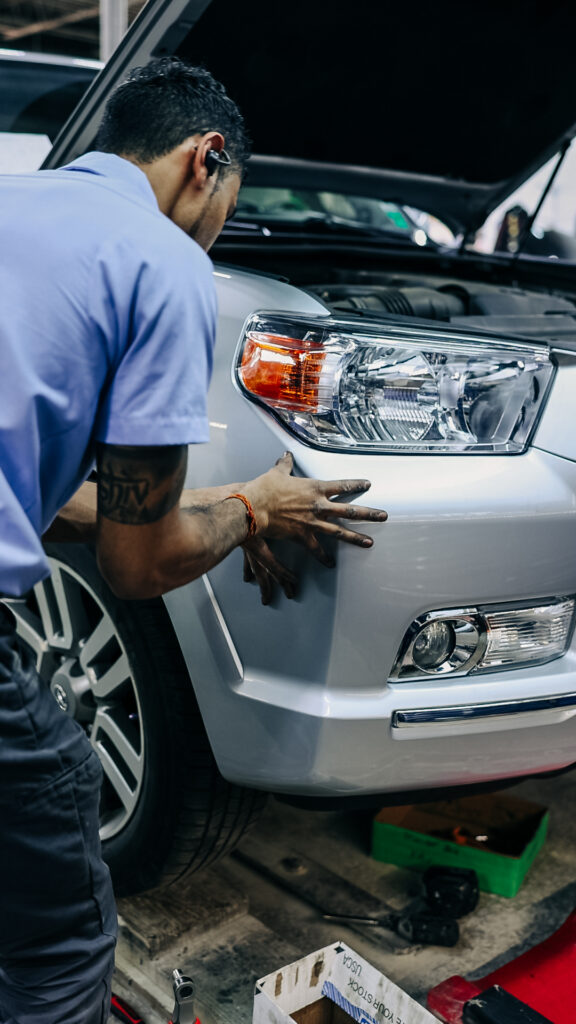
OEM is the clear call for anything structural, anything safety related, and anything a sensor mounts to or looks through. Bumper covers with radar behind them, headlamp assemblies, and structural components deserve factory parts, and on newer or leased vehicles OEM everywhere protects both the warranty conversation and the lease return. Most manufacturers publish position statements recommending OEM parts for exactly these situations.
Aftermarket parts have a legitimate lane too. On an older vehicle, a certified aftermarket fender or mirror can keep a repair affordable enough to make sense, and independent certification programs exist to test fit and materials. Recycled OEM is the quiet hero of the parts world: a factory hood or door from a donor vehicle delivers original fit at a used price, which is often the smartest option on discontinued colors and trims.
How insurers write parts, and what Virginia requires
Insurance estimates default to the cheapest acceptable part because policy language typically promises repair with parts of like kind and quality, not new factory parts. That is a cost control decision, not an engineering one. Virginia consumer protection rules require that aftermarket crash parts be identified on your estimate, so the information is there once you know to look for it.
You have options beyond accepting the default. Some carriers sell an OEM endorsement for a few dollars a month that guarantees factory parts on future claims, which is worth asking about before you ever need it. On a current claim, you can often pay the difference between the aftermarket price and the OEM price on specific parts you care about. And when you are paying cash with no insurer involved, every parts decision is entirely yours.
Fit, finish, and the costs that show up later
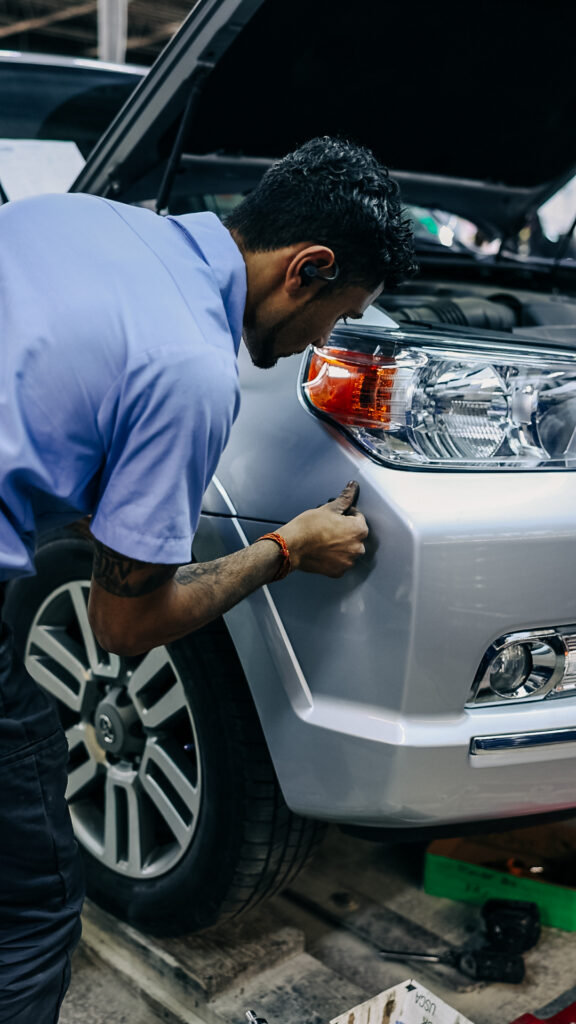
The gap between a good part and a cheap one rarely shows in the box. It shows in panel gaps that never quite line up, in corrosion protection that fails a few winters early, in headlamps whose beam pattern scatters, and in flimsy mounting tabs that crack during installation. A bargain fender that needs an hour of massaging to fit has already spent its savings in labor.
The modern problem is electronics. Camera brackets, radar mounts, and sensor housings are built to tolerances measured in millimeters, and a part that positions a sensor slightly wrong can undermine the driver assistance systems that depend on it. This is why a careful shop insists on the right part in those locations and documents any part that arrives unfit to install, then writes a supplement to correct it.
How to control what goes on your car
Ask for the estimate and read the parts column before authorizing work. Ask the estimator why each non OEM part was chosen and whether it matters on that specific line, because an honest answer sounds different for a splash shield than for a radar bracket. Request OEM for structural and sensor related parts, ask about recycled OEM where budget matters, and get the final parts list in writing when the repair is done, since that documentation supports resale and any diminished value claim later.
Most of all, pick a shop that treats parts as a quality decision rather than a margin decision. The shop is who inspects each part on arrival, rejects the ones that do not measure up, and argues with the insurer so you do not have to.
Bottom Line
OEM, aftermarket, and recycled parts each have a place, but the placement is everything: factory parts where structure and sensors live, smart substitutions only where they cost you nothing in safety or fit. Read the parts column, ask why, and put your preferences on record early. Quality Auto Body walks Fairfax drivers through the parts list on every estimate, explains each choice in plain language, and fights for the right part when it matters. Bring us your estimate and we will translate it line by line.


