
Who Pays for the Rental Car While Yours Is in the Shop
Life in Fairfax does not pause because your car is in the body shop. The commute, the school runs, and the grocery trips keep coming, and the question every customer asks within the first five minutes is the same: who pays for the rental?
The answer depends entirely on whose insurance is paying for the repair and what coverage you bought before any of this happened. Here is how it works in Virginia, plus the timing tricks that keep rental days, and rental bills, to a minimum.
Who pays for a rental car during collision repair?
If the other driver caused the crash, their liability insurer owes you a reasonable rental or a loss of use payment for the time your car is being repaired. If you are claiming through your own policy, a rental is covered only if you carry rental reimbursement, an optional coverage with daily and total dollar caps.
That second sentence surprises people constantly. Standard collision coverage fixes your car and does nothing about how you get to work while it happens. The few dollars a month that rental reimbursement costs is the cheapest insurance decision most drivers never make.
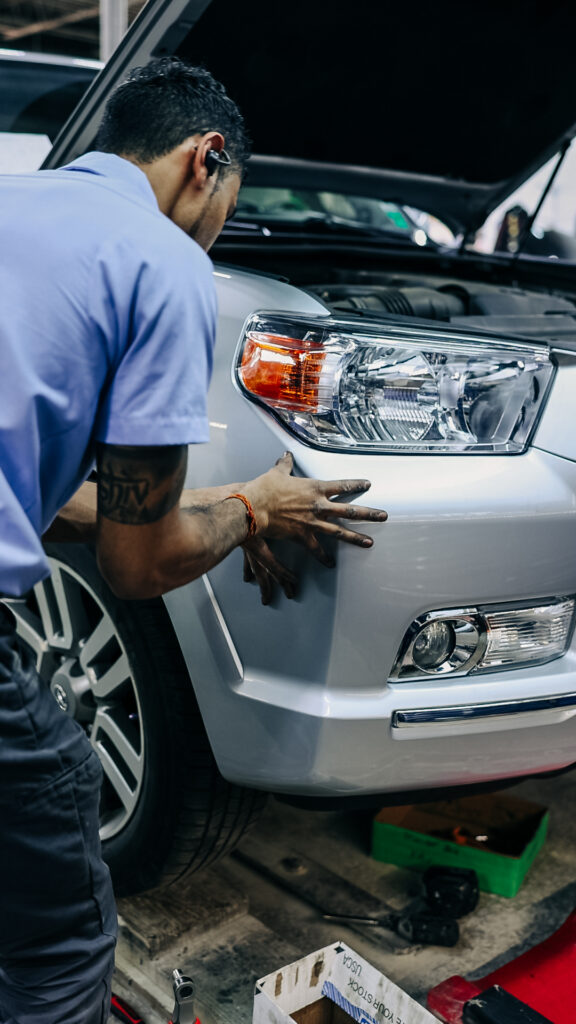
When the other driver pays: loss of use in Virginia
When the crash was the other driver’s fault, Virginia law entitles you to loss of use of your vehicle, which in practice means their insurer funds a rental for the reasonable length of the repair. Reasonable includes comparable transportation: a family running on a minivan does not have to squeeze into a subcompact because it was cheaper for the adjuster.
Most carriers set up direct billing with a rental company so nothing touches your wallet, and that arrangement should run until the repair is complete, including any supplement delays. The friction case is a liability dispute, where the other insurer will not authorize a rental until fault is accepted. If you carry rental coverage of your own, use it to bridge the gap and let the insurers sort out reimbursement afterward, which is routine.
Rental reimbursement on your own policy, explained
Rental reimbursement is sold in tiers, commonly around $30, $40, or $50 per day with a total cap per claim, and it typically adds only a few dollars a month to a policy. Two details deserve attention before you need them. First, check whether your daily cap matches what rentals actually cost in Northern Virginia once taxes and fees stack on, because those count against your limit. Second, know your total cap, since a long repair can outlast a small one.
Pull out your declarations page this week and look for the line, because plenty of drivers discover at the worst moment that they declined it years ago to save a few dollars. If it is missing, adding it takes one phone call, and it applies to any future claim regardless of fault.
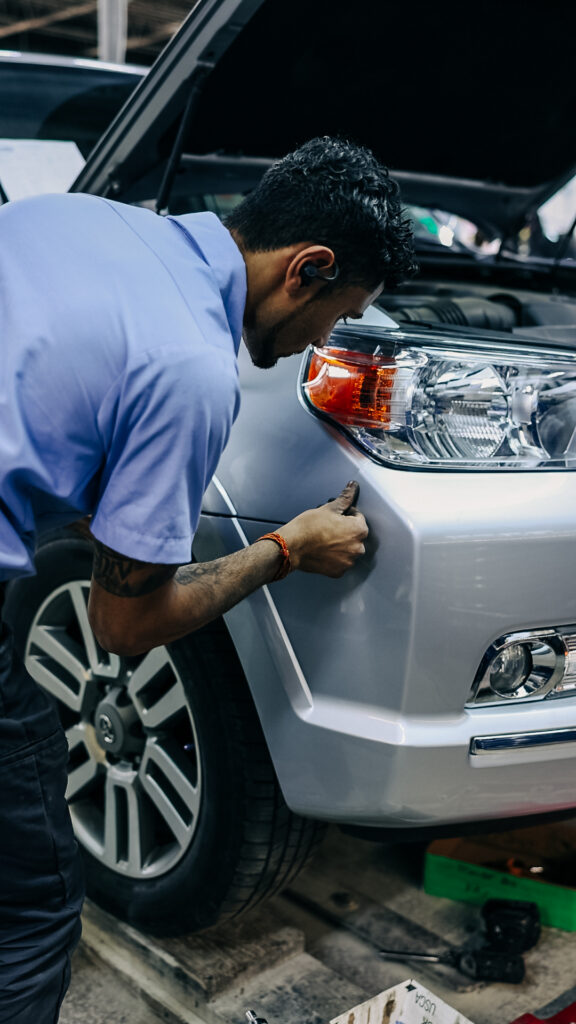
The timeline problem: parts, supplements, and rental days
Rental costs are really a repair timeline question. A straightforward repair might run one to two weeks, but hidden damage found during teardown triggers a supplement, and supplement approval plus reordered parts can stretch the schedule. Every one of those days is a rental day, which is why the shop’s process matters to your wallet.
The single best trick: if your car is safe to drive, ask the shop to inspect it, order parts first, and schedule the repair for when everything is on the shelf. Dropping off a drivable car to sit and wait for parts burns rental days for nothing. A shop that plans this way, communicates weekly, and pushes supplements through promptly can cut the rental window nearly in half compared to a drop it off and see approach.
When there is no coverage and the crash was your fault
If you caused the crash and skipped rental coverage, the options are honest but unglamorous: pay out of pocket at whatever rate you can find, ask about insurance partner rates that are often cheaper than walk in pricing, borrow from family, or run the rideshare math for a short repair, which sometimes beats a week of rental fees for a car you barely drive.
This is also the moment to make the repair itself efficient. Parts ordered before drop off, a realistic completion date in writing, and a shop that finishes when promised all matter twice as much when every extra day is your money.
Bottom Line
Rental coverage follows fault: the at fault driver’s insurer owes you transportation, your own policy only helps if you bought rental reimbursement, and the length of the repair decides what the whole episode costs. Check your declarations page now, and pick a repair shop that respects your rental clock. Quality Auto Body schedules repairs around parts availability, keeps Fairfax drivers updated weekly, and works with every major insurer’s rental arrangements. Ask us for a realistic timeline before you book a single rental day.
Related reading: our collision repair services, OEM vs Aftermarket Parts: What Goes on Your Car After a Crash, Why Your Car Needs ADAS Calibration After a Collision


